06/26/2020 In Podcast Episodes
Listener Struggles
Paul reads submissions from listeners about the challenges in their lives.

Paul reads submissions from listeners about the challenges in their lives.

The folks at Stitcher asked if I’d like to advertise a new podcast they have coming out. I listened and I think it’s something that you would not only like but I think it’s an important and much needed show. Imani State of Mind is a new podcast that demystifies mental health and wellness in an accessible and approachable way. Dr. Imani Walker (Bravo’s Married to Medicine) equips listeners with the right language and tools to normalize this stigmatized topic, in addition to finding laughter and light in navigating these struggles. Listen now in your favorite podcast app!

Paul’s support group friend shares about her experiences as a black woman in America, her addiction to unavailable men, the wreckage of her acting out sexually and being a child in Atlanta during the Atlanta child murders.

Paul’s friend and fellow comedian/podcaster (Learning Not To Swear) returns to talk about George Floyd’s murder, systemic racism, the police, looting, being a black father in America and the pandemic.
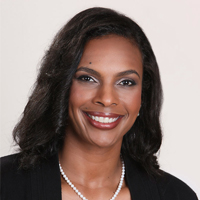
The board-certified psychiatrist answers questions about personality disorders, medication, problems in the mental health system and mental health in the black community.

The psychiatrist shares her experience in deciding when it’s appropriate to prescribe meds, diagnosing ADD/ADHD, the difference between role and identify, being Korean-American and children who want to transition.

The licensed therapist @KatieVernoy returns to answers listener’s questions about a variety of topics but mostly about ways to handle the pandemic emotionally and mentally.

The graphic novelist (Rx) opens up about her battles with Bipolar I, being involuntarily committed, and having been an ad account executive creating a campaign for the very pill she was taking, participating in the “commercialization of my own suffering.”

Having studied and worked with thousands of people with PTSD from combat, sexual, physical or emotional trauma, the Stanford faculty psychiatrist shares her 20 years of insights on PTSD.